Infrastructure Efficiency
Hawker centers operate on a high-volume, low-margin model. Centralized cleaning and waste management reduce overhead for individual stall owners. This allows for competitive pricing compared to air-conditioned food courts.
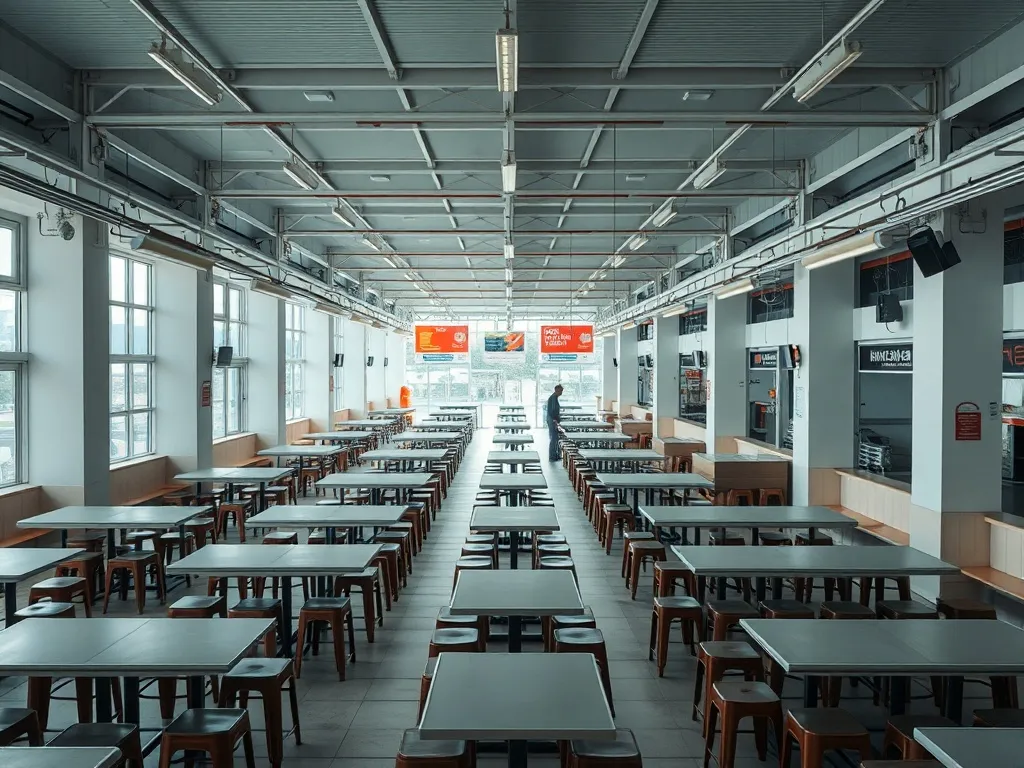
Analyze the operational costs and pricing structures of Singapore's UNESCO-recognized dining landscape. Efficiency meets affordability.
View Pricing DataHawker centers operate on a high-volume, low-margin model. Centralized cleaning and waste management reduce overhead for individual stall owners. This allows for competitive pricing compared to air-conditioned food courts.
Mandatory tray return systems optimize labor costs. By clearing your own table, you reduce the need for cleaning staff. This directly suppresses price hikes for staple dishes.
NetsFlashPay and SGQR payments streamline transactions. Faster turnover at the counter increases daily revenue potential for vendors.
Proximity to HDB estates ensures a steady flow of foot traffic. Centers in Toa Payoh or Tampines benefit from local residential density, maintaining high utilization rates throughout the day.
The cost of a standard meal in a Singapore hawker center is influenced by raw ingredient prices and government-regulated rental caps. Stall owners often specialize in a single dish to achieve economies of scale. This specialization allows them to purchase ingredients in bulk, keeping the price for a plate of Chicken Rice or Laksa between $3.50 and $5.50.
Inflationary pressures are managed through the "Budget Meal" initiative. Many stalls provide at least one option priced significantly lower than the average. These meals ensure that residents have access to affordable nutrition regardless of economic fluctuations. Understanding these price points is essential for effective monthly budgeting in high-cost urban environments.
When compared to "kopitiams" or mall food courts, hawker centers remain the most cost-effective solution. The absence of service charges and GST (at most stalls) provides an immediate 17-19% saving on the total bill. For those looking to optimize further, monitoring the Grocery Sourcing trends can provide insight into when certain dish prices might fluctuate.
Beverages are the highest-margin items in a hawker center. While food prices are kept low, drink stalls generate consistent cash flow through high-frequency sales of coffee and tea.
| Item Type | Hot (S$) | Iced (S$) |
|---|---|---|
| Kopi / Teh (Standard) | $1.10 - $1.30 | $1.60 - $2.00 |
| Kopi C / Teh C (Evaporated Milk) | $1.20 - $1.40 | $1.70 - $2.10 |
| Milo / Horlicks | $1.50 - $1.80 | $2.00 - $2.50 |
| Fresh Lime Juice / Barley | N/A | $1.50 - $2.20 |
Pro Tip: Ordering "Kosong" (no sugar) or "O" (no milk) can sometimes reduce the price by $0.10 in specific traditional stalls.
Peak hours often see a "Takeaway Surcharge" of $0.10 to $0.30 for plastic containers and carriers.
Efficiency in dining is just one part of urban survival. Explore our comprehensive guides on transport and utilities to master your Singapore budget.
The data and articles provided on this platform are compiled from publicly accessible records, general industry observations, and educational research. This content is intended for informational and reference purposes only. It does not represent professional financial advice or official government pricing policy. Users are encouraged to verify specific stall prices on-site as they are subject to change without notice.